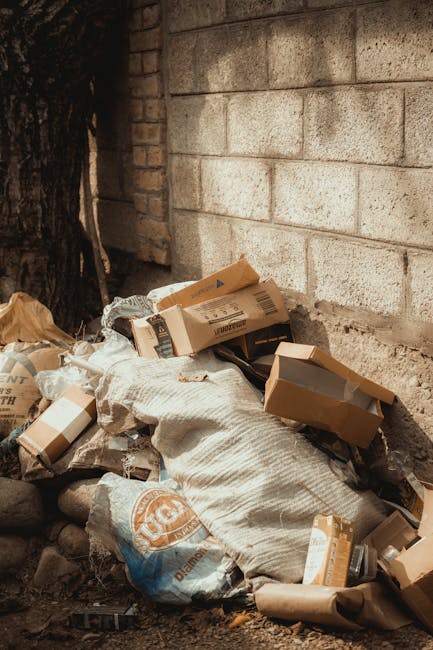
Hampstead NW3 Household Rubbish Collection North West London: A Practical Local Guide
If you are dealing with bags piling up in the hallway, an old sofa blocking the spare room, or a post-move mess that feels bigger every time you look at it, Hampstead NW3 household rubbish collection North West London is probably exactly what you need. The job sounds simple enough on paper. In real life, though, it can be awkward: stairs, parking, narrow roads, odd collection times, and the usual "I'll deal with it later" pile that somehow becomes a mini mountain.
This guide explains how household rubbish collection works in Hampstead NW3, what to expect, what to avoid, and how to choose the right approach for your home. You'll also find practical steps, a comparison table, a checklist, and a few local insights that make the whole thing easier to manage. Let's make it straightforward.
Why Hampstead NW3 household rubbish collection North West London Matters
Rubbish collection is one of those services people only think about when they suddenly need it. And then it becomes urgent. In a place like Hampstead NW3, that urgency can be magnified by the reality of older properties, basement flats, shared entrances, limited kerb space, and the general challenge of moving bulky items through a lived-in home without causing damage.
Household rubbish collection matters because unwanted items do more than make a room look untidy. They can block storage, create trip hazards, attract pests if food waste is involved, and add unnecessary stress during moves, refurbishments, bereavements, or spring cleans. That last part is often overlooked. It is not just about junk. It is about breathing room.
For many households, a reliable rubbish collection service is also the difference between a job that drags on for days and one that is handled cleanly in a single visit. That is especially useful in North West London, where time, access, and parking can all be tight. A quick, organised collection can save a lot of faff. To be fair, that alone is worth a great deal.
Local relevance matters too. Hampstead has a mix of family homes, mansion blocks, conversions, and flats above shops, so the same collection plan does not fit every address. A service that understands those conditions will usually be easier to work with and less likely to create awkward surprises on the day.
Expert summary: the best rubbish collection is not simply the fastest one. It is the one that fits your home, your access, your timing, and the type of waste you actually need gone.
How Hampstead NW3 household rubbish collection North West London Works
At its simplest, household rubbish collection is the removal of unwanted domestic waste from your property and its transport to the appropriate disposal or processing route. That might include mixed household rubbish, old furniture, broken appliances, bagged waste, garden cuttings, or leftover clutter from a clear-out.
The process usually starts with a description of what needs removing. Good providers will want to know the type of waste, the approximate volume, whether there are heavy items, and how accessible the property is. If you are in a top-floor flat with no lift, that is not a minor detail. It changes the job. Likewise, if the waste is already outside, stacked in a garden, or scattered across several rooms, the collection team needs to know.
Many people also search for rubbish collection, rubbish removal, or waste collection as if they are different services. In practice, the wording varies, but the core aim is similar: remove domestic waste safely, sort it correctly, and leave the space clear. The detail is in the handling.
For household items with a specific shape or disposal need, it can help to use a more targeted service. For example, large seating may suit sofa removal, and general interior clear-outs may be better handled through home clearance or house clearance. That is often the simplest route when the rubbish is mixed with furniture or awkward household items.
On the day, the team normally confirms what is being taken, loads the waste, checks for any access issues, and clears up afterwards. It sounds basic, but those finishing touches matter. A tidy exit is part of the service, not a bonus.
Key Benefits and Practical Advantages
People usually book household rubbish collection for one main reason: they want the clutter gone. But the real benefits run deeper than that.
- Speed: one collection can resolve a backlog that would otherwise take several trips to the tip.
- Convenience: no need to hire a van, lift heavy bags, or coordinate helpers.
- Safer handling: useful for heavy, sharp, dusty, or awkward items.
- Less disruption: especially helpful in flats, shared houses, and busy family homes.
- Cleaner space: rooms feel usable again, not just "less messy."
- Better sorting: recyclable and non-recyclable materials can be dealt with appropriately.
There is also a mental benefit people don't talk about enough. Once the rubbish is gone, the room often feels easier to organise, and the next decision becomes simpler. Do you keep the cupboard? Paint the wall? Replace the chair? Clarity helps.
If you are managing a big clear-out, domestic rubbish collection can work alongside more specific services such as furniture disposal, garage clearance, or garden clearance. That combination is often more practical than trying to bundle everything into one vague job and hoping for the best.
Who This Is For and When It Makes Sense
Household rubbish collection is not just for people with a full house clear-out. In Hampstead NW3, it makes sense for a lot of everyday scenarios.
- Homeowners doing a reset after renovations, decorating, or years of accumulation.
- Tenants moving out and needing fast clearance before check-out.
- Landlords dealing with leftover possessions or end-of-tenancy mess.
- Families clearing lofts, sheds, or spare rooms.
- Older residents who need a practical, respectful removal of bulky items.
- People working from home whose unused furniture or packaging is taking over useful space.
It also makes sense if you have a mixed job. Maybe you've got household rubbish in the kitchen, a sofa in the lounge, and broken storage in the hallway. In that case, a broader rubbish clearance or waste removal approach can be the neatest solution.
One thing worth saying plainly: if you only have a few small bags, a full collection service may be more than you need. But once the waste becomes bulky, mixed, or too awkward to move safely, using a professional collection becomes the sensible option rather than the extravagant one. No shame in that.
Step-by-Step Guidance
Here's a practical way to approach rubbish collection without overcomplicating it.
- Walk through the property. Check every room, cupboard, loft space, shed, and garden corner. The obvious stuff is usually only half the story.
- Separate what must go. Make quick groups: rubbish bags, furniture, electrical items, garden waste, and anything potentially reusable.
- Check access. Note stairs, narrow hallways, parking limits, controlled entry, or timing restrictions.
- Estimate volume honestly. A "few bags" can turn into ten. Be realistic. It saves headaches later.
- Ask how items will be handled. This is especially important for mixed waste, heavy pieces, and anything that might need special disposal.
- Prepare the items. Bag loose rubbish, empty containers where sensible, and clear a path to the items.
- Confirm the collection plan. Make sure everyone involved knows what's being taken and from where.
- Final sweep. After collection, check cupboards, behind doors, and under beds. People forget things there all the time.
If the job involves a flat, timing and access matter even more. A service like flat clearance can be a better match where stairwell access and building rules need a more careful approach.
And if you have a bigger property-wide clear-out, house clearance or home clearance can be more efficient than piecemeal removal. Sometimes the bigger route is actually the cleaner one.
Expert Tips for Better Results
In our experience, the smoothest household rubbish collections are the ones that are prepared a little better than people think they need to be. Not obsessively. Just enough to avoid delays.
- Photograph bulky items first. A quick picture can help describe awkward furniture, pile sizes, or damaged items more accurately.
- Keep similar waste together. Bags in one area, furniture in another, garden waste near the exit if possible.
- Leave access clear. A narrow passage full of shoes, bikes, and drying racks makes everything slower. Even an extra two minutes helps.
- Check for hidden weight. Old wardrobes, damp items, and filled drawers are heavier than they look. They always are.
- Think about reuse before disposal. If something is clean, usable, and safe, it may be worth separating it from true rubbish.
- Ask about mixed loads. Household rubbish is often mixed with furniture or light renovation debris. The more honest the description, the smoother the job.
One small but useful habit: label anything you definitely want to keep. When a clear-out starts in earnest, items can be moved around quickly, and the odd lamp or folder can disappear into the wrong pile. It happens. More often than people admit.
If you are clearing seating or bulky soft furnishings, the related service pages for sofa removal and furniture disposal are worth considering alongside general rubbish collection. That's usually better than treating every item as if it belongs in the same box.
Common Mistakes to Avoid
A lot of collection problems come from a few avoidable errors. Nothing dramatic, just small things that compound.
- Underestimating the volume. A single room clear-out can produce more waste than expected, especially if cupboards and wardrobes are involved.
- Mixing waste types without thinking. Household rubbish, electricals, metals, and garden waste may need different handling.
- Blocking access. The best collection team in the world cannot easily move items through a cluttered hallway.
- Leaving the heaviest items for last. If you hide the awkward bits, the job becomes slower and more stressful.
- Assuming every service is identical. A simple collection, a home clearance, and a specialist disposal job are related, but not the same.
- Forgetting building rules. Shared entrances, lift access, and permitted loading times can matter more than people expect.
Another common one: waiting until the space is completely unusable and then trying to sort everything in a rush. That rarely ends well. If you can start with one room, do that. Progress is progress.
Tools, Resources and Recommendations
You do not need much to prepare for household rubbish collection, but a few simple tools make life easier.
- Heavy-duty bin bags for loose waste
- Strong tape or straps for bundled items
- Gloves for handling dusty or sharp rubbish
- A torch for lofts, under-stairs storage, and sheds
- A phone camera for photographing bulky or awkward items
- A notepad or notes app for listing what is being removed
For many homes, the most useful "resource" is not a gadget at all but a clear plan. Decide what stays, what goes, and what needs special handling. That short list can save an astonishing amount of time.
When the job includes broader clear-out work, it can also help to look at waste clearance, waste disposal, or rubbish removal as related options. The wording varies, but the decision usually comes down to what is in the pile and how quickly you need it gone.
If you want to understand the wider local service area, the North West London page can help frame how the service fits into the broader region. And if you are comparing more local service coverage, pages such as Hampstead, South Hampstead, and West Hampstead may be useful for location context.
Law, Compliance, Standards, or Best Practice
For household rubbish collection in the UK, the main thing is to make sure waste is handled responsibly and sent to a suitable disposal route. You do not need to become a regulations expert to do this well, but it helps to keep a few sensible standards in mind.
Best practice usually includes:
- describing the waste honestly before collection
- keeping items accessible and safe to move
- separating hazardous or specialist materials from ordinary household rubbish
- avoiding fly-tipping or informal disposal shortcuts
- using a provider that can explain what happens to the waste afterwards
If a load includes anything that might be classed as hazardous, sharp, contaminated, or otherwise unusual, it should be flagged clearly in advance. That is not being fussy. It is responsible. And frankly, it protects everyone involved.
It is also sensible to remember that household waste is not the same as garden waste, builders' waste, or business waste. If you have a mixed property job, split it out where possible. For example, a renovation may be better matched to builders waste, while a study or side room clear-out might lean toward office clearance if paperwork and furniture are part of the picture.
Best practice is not about making the process formal for the sake of it. It is about keeping the collection safe, lawful, and tidy from start to finish.
Options, Methods, or Comparison Table
There are a few ways to deal with household rubbish in Hampstead NW3. The right one depends on volume, urgency, and how much lifting you want to do yourself.
| Option | Best for | Pros | Trade-offs |
|---|---|---|---|
| Self-clearance | Very small amounts of waste | Low direct cost, flexible timing | Time-consuming, requires transport, lifting, and sorting |
| Bagged rubbish collection | General household bags and light mixed waste | Quick, convenient, simple to arrange | Not ideal for bulky or heavy items |
| Full home or house clearance | Whole rooms, downsizing, bereavement, moves | Efficient for large volumes, less stress | More involved planning, broader scope |
| Specialist item removal | Sofas, furniture, garage contents, garden waste | Better handling for specific items | May need multiple service types if the load is mixed |
If your space includes a mix of clutter types, it can help to pair household rubbish collection with related services like garage clearance, garden clearance, or furniture disposal. That often reduces back-and-forth and keeps the job cleaner.
Case Study or Real-World Example
A typical Hampstead NW3 scenario might look like this: a family has been living in a Victorian terrace for years, and the downstairs storage room has become the unofficial landing zone for broken toys, spare chairs, collapsed shelving, cardboard, old curtains, and a couple of bags that were meant to go months ago. Nothing outrageous. Just enough to make every person in the house mutter under their breath when they open the door.
They start by sorting the room into three piles: keep, donate or reuse, and rubbish. The rubbish pile turns out to be larger than expected, which is pretty normal. They also notice an old armchair that should be removed separately because it is too bulky to leave at the kerb. Rather than treating everything as one generic job, they organise it as a combined household rubbish collection and furniture disposal.
On the day, access is checked, the hallway is cleared, and the items are taken in one visit. The room is left empty, the family can actually walk in there, and the pressure drops immediately. Not glamorous, but effective. Sometimes the best outcome is simply that the room feels like part of the house again.
The key lesson from scenarios like this is that a little preparation changes everything. The waste did not vanish by magic. It became manageable because it was sorted, described clearly, and collected in a way that fit the property.
Practical Checklist
Use this before booking or arranging your collection.
- Walk through every room and storage space
- Separate rubbish from items you want to keep
- Identify any bulky or heavy pieces
- Check whether anything needs specialist handling
- Make sure access routes are clear
- Note stairs, parking, and entry restrictions
- Bag loose waste where practical
- Group similar waste together
- Take a quick photo of larger items
- Confirm the collection scope before the day
- Do a final sweep after removal
If you are unsure whether your job is mainly rubbish collection, a broader waste collection, or something closer to rubbish clearance, the safest move is to describe the full situation plainly rather than trying to fit it into a neat category. Real homes are messy. That's normal.
Conclusion
Hampstead NW3 household rubbish collection North West London is at its best when it removes stress as well as waste. The aim is not only to empty bags and lift bulky items. It is to restore order, free up space, and make your home easier to live in. Whether you are preparing for a move, clearing out a loft, dealing with a sofa that has seen better days, or finally tackling that awkward back room, the smartest approach is the one that fits your property and your schedule.
Keep the process simple: sort what you can, be honest about the volume, clear access, and choose the right type of collection for the job. That is usually enough to turn a frustrating chore into a clean, tidy finish. And once the clutter goes, the whole place often feels lighter. A bit calmer too.
Get a free quote today and see how much you can save.
Frequently Asked Questions
What does Hampstead NW3 household rubbish collection usually include?
It usually includes general domestic waste such as bagged rubbish, unwanted household items, light clutter, and sometimes bulky pieces depending on the service arranged. The exact scope depends on access and the type of waste.
Is household rubbish collection better than doing it myself?
For small amounts, self-clearance can be fine. For bulky, heavy, or mixed waste, professional collection is often faster, safer, and less stressful. If you need a van, lifting help, and disposal sorting, the service usually pays for itself in convenience.
Can I book rubbish collection for a flat in Hampstead NW3?
Yes. Flats are very common in the area, and the main considerations are access, stairways, lift availability, and building rules. A flat-specific approach can make the collection much smoother.
What if my rubbish includes furniture or a sofa?
That is common. Large pieces are often handled alongside household rubbish, but it can help to mention them separately. In some cases, specialist removal such as sofa removal or furniture disposal is the cleaner option.
How should I prepare before the collection team arrives?
Bag loose waste, group similar items together, clear a path through the property, and make a quick list of what is going. If possible, take photos of bulky items so there is no confusion on the day.
Do I need to sort recyclable items myself?
It helps to separate obvious recyclables where practical, but you do not need to turn your living room into a sorting depot. Clear information about what is being removed is more important than perfection.
Is household rubbish collection the same as waste collection?
People often use the terms interchangeably. In practical terms, both refer to removing unwanted waste, though the exact service name may vary depending on the item type and how much material needs to be taken away.
What is the difference between rubbish removal and rubbish clearance?
They are closely related and often overlap. Rubbish removal usually refers to taking waste away, while rubbish clearance can imply a more complete clearing of a room, property, or storage space.
Can I combine household rubbish collection with a full home clear-out?
Yes, and that is often the best approach. If you are dealing with several rooms, loft contents, or a major reset, services such as home clearance or house clearance may be more efficient than multiple smaller bookings.
What should I do with garden waste or garage clutter?
Keep those items separate if you can. Garden waste and garage contents can be better handled through dedicated services such as garden clearance or garage clearance, especially when the load is bulky or mixed.
How do I know if my waste needs special handling?
If it is sharp, contaminated, unusually heavy, or unusual in any way, flag it before the collection. That includes certain electricals, broken fittings, and anything you would not want shifted casually through a hallway.
What areas nearby are often served alongside Hampstead?
Nearby locations commonly associated with the same part of North West London include Belsize Park, South Hampstead, West Hampstead, Swiss Cottage, Camden, and St John's Wood. Local fit matters because access and property layouts can be quite different from street to street.