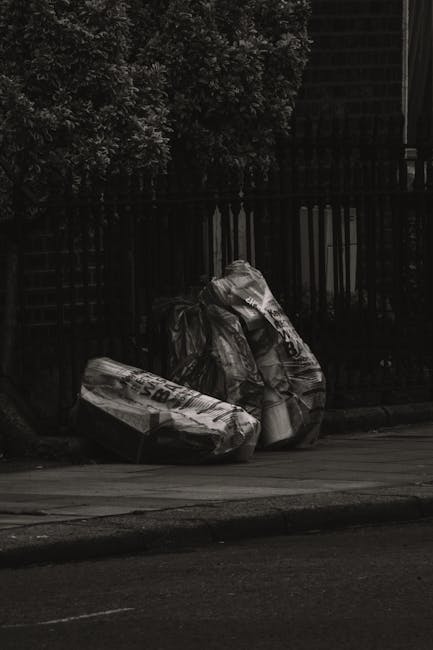
Kilburn High Road bulky rubbish pickup prices North West London: what to expect, what affects cost, and how to book smart
If you are trying to figure out Kilburn High Road bulky rubbish pickup prices North West London, you are probably dealing with one of those jobs that starts small and suddenly takes over the hallway, the spare room, or half the pavement. A broken wardrobe, an old sofa, a mattress that has seen better days, maybe a few bags of mixed junk piled by the front door. Sound familiar?
This guide breaks down how bulky rubbish pickup pricing usually works in Kilburn High Road and the wider North West London area, what makes a quote rise or fall, and how to avoid paying for more than you need. You will also get practical tips for booking a collection that is legal, tidy, and actually convenient. Truth be told, a good pickup is often worth more than the price alone.
Table of Contents
- Why Kilburn High Road bulky rubbish pickup prices North West London matters
- How Kilburn High Road bulky rubbish pickup prices North West London works
- Key benefits and practical advantages
- Who this is for and when it makes sense
- Step-by-step guidance
- Expert tips for better results
- Common mistakes to avoid
- Tools, resources and recommendations
- Law, compliance, standards, or best practice
- Options, methods, and price comparison
- Case study or real-world example
- Practical checklist
- Conclusion
- Frequently asked questions
Why Kilburn High Road bulky rubbish pickup prices North West London matters
Bulky rubbish is not like regular household waste. It is bigger, heavier, more awkward to move, and often harder to transport safely. A single item can take two people, a trolley, a van, protective lifting gear, and a bit of route planning if access is tight. On Kilburn High Road, that matters even more because local parking, loading space, and building access can all affect the final price.
For many households and businesses, price is not just about saving money. It is about knowing whether a pickup is genuinely good value. If you only have a sofa and a mattress, you do not want to pay for a full-clearance style job. If you have a loft, garage, or office full of mixed items, a cheaper-looking quote can turn expensive once extras appear. That is where clear pricing makes all the difference.
There is also a practical side. Bulky rubbish left too long can block access, attract complaints, and create a bit of a mess on the street. In a busy stretch like Kilburn High Road, it can start feeling urgent very quickly. Nobody wants the front entrance to look like a temporary storage depot. Not ideal, to put it mildly.
If your collection is part of a larger decluttering project, it may also connect with wider services such as rubbish removal, waste clearance, or even a full home clearance if several rooms need emptying. That wider context can help you compare quotes properly.
How Kilburn High Road bulky rubbish pickup prices North West London works
Most bulky rubbish pickup services price jobs based on a combination of volume, item type, labour, access, and disposal handling. There is no single fixed number that suits every job, because a light chair and a three-seater sofa do not create the same workload, even if they look similar from the hallway.
In practice, the quote usually reflects some or all of the following:
- Amount of waste - a single item, a small pile, or a larger load.
- Item type - furniture, white goods, mattresses, mixed rubbish, or builder-style debris.
- Weight and handling - heavy items often need more labour.
- Access conditions - stair-only flats, narrow hallways, rear entrances, or restricted parking can all matter.
- Urgency - same-day or short-notice pickup may cost more.
- Disposal route - sorting, recycling, reuse, or special handling can change the process.
A lot of people assume the only question is "How much for one van load?" But in reality, the right question is: what exactly is being collected, and how easy is it to remove? A ground-floor flat with driveway access is one thing. A third-floor walk-up on a wet Tuesday with a blocked pavement is another. You can probably hear the difference already.
For furniture-heavy jobs, it can be worth looking at specialist pages such as furniture disposal or sofa removal. If the job is more mixed or messy, a broader rubbish collection or waste removal service may be a better fit.
One more thing: a proper quote should be clear about what is included. Labour, loading, transport, disposal, and any access-related cost should be explained before the job starts. If it feels vague, ask again. Politely, of course. No need for drama.
Key benefits and practical advantages
Bulky rubbish pickup is not only about getting rid of clutter. Done properly, it can save time, reduce stress, and keep the job safer for everyone involved. That sounds obvious, but the value becomes clear very quickly when you try to move a heavy wardrobe down a stairwell yourself.
Here are the main advantages:
- Less lifting for you - no awkward dragging, no scratched walls, no strained back.
- Faster clearance - what might take you a weekend can often be handled in a short visit.
- Better cost control - you know the price before work starts.
- Cleaner finish - good crews leave the space swept and tidy.
- More flexible for mixed items - useful if your waste includes furniture, packaging, or old household goods.
There is also a mental benefit, and people underestimate this all the time. Once the bulky item is gone, the room instantly feels larger, quieter somehow. I have seen a cramped flat in Kilburn feel completely different after one collection. Same walls, same floor. Just no old clutter in the way.
For larger domestic clear-outs, a service like house clearance or flat clearance can be more efficient than booking several separate pickups. If the item came from a garage or shed, garage clearance or garden clearance may be the more natural fit.
Who this is for and when it makes sense
This type of pickup suits a wide range of people, and not just households. In North West London, bulky waste jobs often come from renters between moves, homeowners clearing space, landlords preparing a property, and small businesses dealing with old stock or worn-out equipment.
Typical situations include:
- Replacing a sofa, bed, wardrobe, or dining set
- Clearing after a tenancy ends
- Emptying a loft, basement, garage, or storage room
- Removing damaged furniture after water or wear and tear
- Dealing with office desks, chairs, and filing units
- Clearing mixed junk from renovations or small building works
If the work is commercial, it may be more sensible to look at office clearance or business waste rather than a one-off domestic collection. That distinction matters because commercial waste is managed a bit differently, and the service needs to fit the type of premises.
For builders' debris, plasterboard, timber offcuts, and renovation waste, the right option may be builders waste. If you are working on a shop, studio, or shared workspace in the area, a focused waste collection arrangement may be more practical than ad hoc removals.
So when does it make sense? Usually when the item is too big for standard bins, too awkward for your own vehicle, or too time-consuming to handle properly on your own. Which, let's face it, covers a lot of bulky rubbish jobs.
Step-by-step guidance
If you want a smoother collection and a more accurate price, a little prep goes a long way. Here is the process I would recommend.
- List every item clearly
Write down what needs removing. Be specific. "Old furniture" is too broad; "two armchairs, one wardrobe, one broken chest of drawers" gives a far better quote. - Take a quick photo
A photo helps with volume, item size, and access. If the pile is in a narrow hallway or top-floor flat, make that obvious too. - Check access before booking
Think about stairs, lifts, parking, time restrictions, and whether the items are behind a locked gate or in a rear garden. - Ask what is included
Confirm loading, labour, disposal, and any extra charge for heavy or bulky pieces. - Separate reusable from ruined
If a sofa is reusable, say so. If it is water-damaged or infested, say that too. It changes handling. - Prepare the pickup area
Move smaller loose bits out of the way so the crew can work quickly and safely. - Get confirmation in writing
Even a short message is fine. It protects both sides and avoids misunderstandings.
If you are booking alongside another service, such as rubbish clearance or waste disposal, ask whether the same visit can cover everything. Combining jobs often makes pricing simpler, and sometimes cheaper too.
A small but useful trick: place the items as close to the exit as you reasonably can, but do not block fire escapes or shared access routes. It speeds things up and keeps everyone calmer on the day.
Expert tips for better results
Here is where the savings usually happen. Not by hunting for the absolute cheapest number, but by making the job easier to quote correctly and easier to complete efficiently.
- Bundle similar items together - a single pickup is often better value than several mini-jobs.
- Be honest about the load - under-quoting from photos is one of the biggest causes of price changes.
- Ask whether the service is item-based or volume-based - that tells you how the quote is calculated.
- Check if stair carrying is included - top-floor access can change the labour time quite a bit.
- Separate electricals and special items - fridges, TVs, and some large appliances may need different handling.
- Choose a time when loading is easier - quieter streets can reduce delays. Morning slots are often calmer, if available.
One useful rule of thumb: if the job description is messy, the quote will probably be messy too. Clear information saves money. Not always, but often enough that it is worth the ten minutes.
Also, do not be afraid to ask for a breakdown. If the price includes labour, transport, disposal, and two-person lifting, that is helpful. If it is just one number with no explanation, you are being asked to trust the unknown. And nobody loves that.
Common mistakes to avoid
A lot of bulky rubbish pickups go wrong because people assume the service is simpler than it is. It is not complicated, but there are enough moving parts to trip you up.
- Giving a vague description - "a few bits" can mean anything from three bags to a full room.
- Hiding awkward access details - stairs, parking issues, and lift outages should be mentioned early.
- Forgetting mixed waste - furniture plus rubble plus packaging may affect the quote.
- Assuming all bulky waste is treated the same - sofas, white goods, and builders' waste can follow different handling paths.
- Leaving everything until the last minute - urgent bookings can be more expensive.
- Choosing only on price - if the service is unreliable, the cheap quote was never really cheap.
Another common one: people book a collection for one big item, then remember the hallway chairs, the broken desk, and the old rug. The job grows in a blink. Suddenly the quote is not a surprise; the surprise was that it started as "just one sofa."
If you are unsure whether the items are really bulky waste or something better handled as a wider clear-out, it may help to compare against furniture disposal, home clearance, or waste removal before you book.
Tools, resources and recommendations
You do not need specialist equipment to plan a bulky rubbish pickup, but a few simple tools make the job easier and the quote more accurate.
- Phone camera - take wide shots and close-up shots of awkward items.
- Basic tape measure - handy for large wardrobes, beds, or appliances.
- Notebook or phone notes - keep the item list in one place.
- Bin bags or boxes for loose bits - useful if there is mixed small waste around the bigger item.
- Access notes - lift, key code, gate, loading bay, or parking restrictions.
For people clearing out a whole property, useful supporting services can include flat clearance, house clearance, garage clearance, and garden clearance. These are worth considering when the bulky item is just part of a bigger tidy-up.
For broader North West London coverage and area-based help, the North West London service area page can be a helpful place to understand how local collection services are structured. If you need to speak with the team directly, use the site's contact page. If you want to understand the company background first, the about us page is also worth a look.
Law, compliance, standards, or best practice
Bulky rubbish pickup is not just about convenience. In the UK, waste must be handled responsibly, and a reputable provider should be able to explain what happens to the waste after collection. You do not need to be a compliance expert, but you should expect the service to operate sensibly and lawfully.
Good practice usually includes:
- Clear communication about what is being collected
- Safe lifting and loading methods
- A sensible approach to separating reusable, recyclable, and general waste
- A proper disposal route rather than casual dumping
- Respect for shared entrances, footpaths, and neighbours
For customers, the best practice is just as important. Do not leave items where they obstruct access. Do not add extra rubbish after the quote without telling the collector. And if anything might be unusual - liquids, sharp edges, very heavy materials, or damaged electricals - mention it upfront. That is not being fussy. That is being practical.
In a busy area like Kilburn High Road, loading and parking behaviour matters too. A quick, tidy collection is not just pleasant; it reduces friction with residents, shopfronts, and passers-by. A decent team will keep the job moving without turning the pavement into chaos. Small thing, but it matters.
Options, methods, and price comparison
There is more than one way to remove bulky rubbish. The best choice depends on how much you have, how fast you need it gone, and whether the waste is part of a larger job.
| Option | Best for | Typical strengths | Possible drawback |
|---|---|---|---|
| Single bulky item pickup | One sofa, one mattress, one wardrobe | Simple, fast, usually straightforward to quote | Less efficient if you have several items |
| Mixed rubbish removal | Furniture plus bags, boxes, and general junk | Flexible and convenient | Needs a clearer description to avoid price changes |
| Room or property clearance | Flats, houses, garages, offices | Best for larger volumes and complex access | May cost more overall, though better value per item |
| Specialist furniture disposal | Large sofas, beds, bulky furniture sets | Targeted handling, often very convenient | Not always ideal for mixed waste |
| Builders waste collection | Renovation debris, timber, rubble, offcuts | Designed for heavier, dirtier material | Not suited to standard household furniture jobs |
For many people, the best option sits somewhere in the middle. Not a tiny single-item job, not a full property clearance, but a carefully sized collection that matches the actual load. That is where proper pricing gives real value.
Case study or real-world example
A renter in Kilburn High Road was moving out of a two-bedroom flat and needed three bulky items removed: a wardrobe, a broken bed base, and a worn-out sofa. There were also a few loose bags of packaging and an old side table. Nothing dramatic, just one of those end-of-tenancy clear-outs that quietly becomes a headache by Friday afternoon.
The key details that helped shape the quote were simple: the flat was on an upper floor, the stairwell was narrow, and parking outside was limited at certain times. The customer sent photos from the hallway and listed the items individually. That meant the pickup could be planned correctly without guesswork.
Because the job combined furniture and loose waste, a general rubbish removal approach made more sense than booking the pieces one by one. The main lesson was not about getting the cheapest headline number. It was about avoiding surprise add-ons and finishing the move on time. The flat was emptied, the entrance left tidy, and the customer could hand back the keys without one last panic. Which, frankly, is a lovely feeling.
Practical checklist
Use this before you request a quote or book a pickup:
- List every bulky item clearly
- Take photos in good light
- Measure especially large pieces
- Note stairs, lifts, gates, or parking restrictions
- Say whether the items are reusable, damaged, or contaminated
- Separate bulky items from loose general waste where possible
- Ask what the quote includes
- Confirm whether labour and disposal are covered
- Check whether the service is suitable for furniture, builders waste, or mixed rubbish
- Book a time that gives you a little breathing room, not five minutes before another appointment
If you are dealing with a bigger project than expected, it may be smarter to move up a level to waste clearance or rubbish clearance. That often keeps the process neater and easier to manage.
Get a free quote today and see how much you can save.
Conclusion
Bulky rubbish pickup in Kilburn High Road is one of those services that looks simple on the surface, but the price is shaped by a lot of small real-world details. Item size, access, labour, loading time, and disposal handling all matter. Once you understand that, comparing quotes becomes much easier and much less frustrating.
The smartest approach is usually to describe the job clearly, choose the right service type, and ask for a quote that explains what is included. That way you are not just chasing a number; you are buying a smooth, tidy, low-stress removal. And in busy North West London life, that can be worth a lot. Little wins matter.
If you are ready to clear space, breathe a bit easier, and stop tripping over that old furniture pile, take the next step with confidence. One good collection can change the feel of a whole room, sometimes a whole home.
Frequently Asked Questions
How are Kilburn High Road bulky rubbish pickup prices North West London usually calculated?
They are usually based on the amount of waste, the type of item, how heavy it is, the labour needed to remove it, and how easy access is at the property. Stairs and parking can matter more than people expect.
Is it cheaper to book one large pickup or several small ones?
Usually one well-planned pickup is better value than several separate jobs. If you have multiple bulky items, grouping them together often reduces repeat call-out costs and saves time.
What bulky items are most common in Kilburn?
Sofas, mattresses, wardrobes, beds, broken chairs, old cabinets, and mixed household clutter are all common. In flats and shared buildings, access details are often just as important as the items themselves.
Can I include mixed rubbish with furniture?
Often yes, but it depends on the service. Mixed loads may need a different quote from a simple single-item pickup, especially if the job includes loose waste, bags, or renovation debris.
Do I need to move the items outside before collection?
Not always. Many services can collect from inside the property, though easier access may help the job run faster. Just be honest about the access so the collector knows what to expect.
What if my bulky item is very heavy or awkward to carry?
Tell the company in advance. Heavy or awkward items may need extra labour or special handling. That is better than discovering it halfway through the stairwell, which is never a fun surprise.
Is bulky rubbish pickup different from rubbish removal?
Yes, sometimes. Bulky pickup often refers to larger individual items or small loads of large items, while rubbish removal can cover a broader mix of waste. The right option depends on what you need gone.
Can I use this for office furniture too?
Yes, if the service accepts commercial waste. For desks, chairs, filing cabinets, and similar items, an office-focused option such as office clearance or business waste may be more suitable.
Are there extra costs for flats with no lift?
There can be. Many collectors factor stair carrying into the price, especially for upper-floor flats. It is one of the most common reasons a quote changes, so it should always be mentioned early.
What should I ask before confirming a quote?
Ask what the price includes, whether labour and disposal are covered, whether there are extra charges for access or heavy items, and how quickly the pickup can be scheduled. Clear answers are usually a good sign.
Can bulky rubbish pickup help with end-of-tenancy cleaning?
Absolutely. Removing bulky items first makes cleaning far easier and gives the property a better chance of looking presentable. A clear room is much easier to clean than one full of old furniture.
What is the best option if I have a whole flat to empty?
If it is more than a few bulky items, a wider service such as flat clearance or home clearance is often the better fit. It is usually simpler and better organised than booking everything piecemeal.